
Provigil vs Adderall Which Smart Drug Gives You the Real Mental Edge
Provigil and Adderall are both prescription stimulants used to combat fatigue and improve focus, but they target different brain pathways and have distinct side effect profiles. While Adderall is a potent amphetamine-based treatment for ADHD that can feel intense, Provigil (modafinil) is a milder wakefulness-promoting agent often preferred for shift work sleep disorder or narcolepsy. Understanding these differences is key to choosing the right medication for cognitive enhancement or medical need.
Provigil vs Adderall: Core Mechanisms of Action
Provigil (modafinil) and Adderall (amphetamine) operate through fundamentally different neural pathways. Adderall acts as a potent psychostimulant by flooding the synaptic cleft with **dopamine and norepinephrine**, blocking their reuptake and forcing their release, which creates a powerful, dose-dependent surge of focus and energy—often leading to a pronounced crash. Provigil, in stark contrast, is a eugeroic that selectively targets the hypothalamic sleep-wake centers. Instead of a broad dopamine flood, it subtly inhibits the reuptake of dopamine in specific brain regions, promoting wakefulness with less euphoria and a dramatically lower risk of abuse. This mechanism provides a smoother, more sustained cognitive lift without the jittery, peripheral side effects, making **cognitive enhancement** feel more like pure alertness than a chemical stimulant jolt.
Provigil as a wakefulness-promoting agent
Provigil (modafinil) and Adderall (amphetamine salts) achieve their wakefulness-promoting effects through fundamentally distinct neurochemical pathways. Adderall functions primarily as a potent reuptake inhibitor and releaser of dopamine and norepinephrine, flooding the synaptic cleft to produce a pronounced, short-acting stimulant response. In contrast, Provigil’s mechanism is more nuanced, selectively inhibiting the dopamine transporter (DAT) with a weaker affinity, while also influencing orexin, histamine, and GABA systems to promote alertness without the intense euphoria or peripheral sympathetic activation typical of amphetamines. This difference in core mechanism of action underpins their divergent side effect profiles and abuse potentials, making Provigil a preferred option for sustained cognitive enhancement with lower addiction risk.
Adderall as a central nervous system stimulant

Provigil and Adderall operate through fundamentally different neurochemical pathways. Provigil, primarily a wakefulness-promoting agent, subtly increases dopamine by inhibiting its reuptake, yet its exact mechanism remains partially mysterious, offering smoother alertness with lower abuse potential. Adderall, an amphetamine combination, aggressively forces the release of dopamine and norepinephrine from presynaptic neurons, delivering sharp, immediate focus and energy. Distinguishing their core mechanisms of action is crucial for targeted therapy.
The key differences are starkly practical:
- Onset: Provigil rises gradually over 1–2 hours; Adderall hits within 30–60 minutes.
- Duration: Provigil lasts 10–12 hours; Adderall IR lasts 4–6 hours, XR up to 12 hours.
- Neurotransmitters: Provigil primarily inhibits dopamine reuptake; Adderall reverses transporters to release dopamine and norepinephrine.
- Abuse Risk: Provigil is Schedule IV with low euphoria; Adderall is Schedule II with high addictive potential.
Provigil rewires your focus without the chemical rush; Adderall floods your brain with raw firepower.
Impact on dopamine and norepinephrine pathways
Provigil (modafinil) and Adderall (amphetamine salts) target distinct neurochemical pathways for wakefulness and cognitive enhancement. Adderall works by drastically increasing dopamine and norepinephrine release while blocking their reuptake, creating a potent stimulant effect that elevates focus but carries a high potential for abuse. In contrast, Provigil primarily inhibits the reuptake of dopamine with a weaker, more selective action, and also influences orexin and histamine systems, promoting alertness without the intense euphoria or peripheral side effects of amphetamines. The core difference lies in their pharmacological selectivity and abuse liability.
For sustained cognitive enhancement with minimal cardiovascular strain, Provigil is often preferred over Adderall.
- Dopamine Mechanism: Adderall blocks reuptake and stimulates release; Provigil primarily blocks reuptake.
- Norepinephrine Impact: Adderall strongly raises norepinephrine levels; Provigil has negligible effect.
- Histamine/Orexin: Provigil uniquely activates orexin neurons; Adderall lacks this pathway.
Approved and Off-Label Indications
In the labyrinth of modern medicine, every drug earns a precise map—its FDA-approved indications, the conditions it has proven safe and effective for through rigorous trials. Yet physicians often venture beyond this charted territory, prescribing medications for off-label uses based on clinical expertise and emerging evidence. This isn’t reckless; it’s a calculated leap, as when a cancer drug originally approved for lung tumors shows promise against a rare sarcoma. For many patients, especially those with uncommon or treatment-resistant conditions, this adventurous off-label path becomes their only beacon of hope. While approved indications guarantee regulatory approval and insurance backing, the art of medicine frequently relies on these unlabeled applications, turning a known compound into a key for an unforeseen lock.
Provigil for narcolepsy, shift work sleep disorder, and obstructive sleep apnea
Approved indications refer to specific uses of a pharmaceutical drug that have been rigorously evaluated and sanctioned by a regulatory body like the FDA, based on clinical trial data proving safety and efficacy for that condition. In contrast, off-label use involves prescribing a drug for an indication, dosage, or patient population not included in the official label. While legal and common in specialties like oncology, off-label prescribing lacks the same level of regulatory scrutiny and requires robust clinical judgment to manage potential risks. Clinicians must document the rationale thoroughly, often relying on peer-reviewed evidence or treatment guidelines, to ensure patient safety and mitigate liability.
Adderall for ADHD and narcolepsy
Approved and off-label indications form the backbone of modern pharmacotherapy. An approved indication is a specific use for which a drug has been rigorously tested and granted marketing authorization by a regulatory body like the FDA. This process confirms safety and efficacy for that particular condition. In contrast, an off-label use refers to prescribing a medication for a purpose not included in the official label, such as a different disease, dosage, or patient population. While legal and common in specialized care, off-label prescribing relies heavily on clinical expertise and published evidence, as it lacks the same regulatory scrutiny. Clinicians must weigh potential benefits against unverified risks, often supported by guidelines from professional societies.
Off-label uses: cognitive enhancement, fatigue, and depression
Approved and off-label indications define the legal and clinical boundaries of pharmaceutical use. An approved indication is one the FDA has validated through rigorous clinical trials, ensuring safety and efficacy for a specific condition. Off-label use, conversely, refers to prescribing a drug for an unapproved purpose, age group, or dosage—a common and legal practice supported by clinical experience or emerging evidence. While FDA approval guarantees a standardized benefit-risk profile, off-label prescribing requires meticulous clinician judgment to manage liability and patient safety. This distinction is critical for healthcare providers: approved indications offer regulatory certainty, while off-label use demands robust scientific justification. Mastering both categories is essential for optimizing therapeutic outcomes in complex cases where standard approved options are exhausted.
Onset of Action, Duration, and Dosing
The onset of action for a pharmaceutical agent defines the critical window between administration and therapeutic effect, often determined by formulation and route. Immediate-release oral medications typically achieve onset within 30–60 minutes, while intravenous delivery can produce effects in seconds. Duration of clinical efficacy dictates the dosing interval, with half-life serving as the primary guide for maintaining steady-state concentrations. For optimal adherence, dosing schedules must balance rapid symptom relief with prolonged action to minimize frequency.
A well-timed dose regimen is the cornerstone of therapeutic success, ensuring consistent coverage without toxicity.
Extended-release formulations prolong duration, often allowing once-daily dosing, whereas short-acting agents may require multiple daily administrations. Clinicians must prioritize these pharmacokinetic parameters to achieve predictable and sustained outcomes, adjusting for patient-specific factors like metabolism and renal function.
Provigil: gradual onset, half-life of 12-15 hours, typical dose 200-400mg
Onset of action varies by route and formulation: intravenous agents act within seconds, while oral medications typically require 30–60 minutes. Duration refers to the period a drug maintains therapeutic effect, influenced by half-life and metabolic clearance. Dosing schedules are designed to sustain effective plasma concentrations without toxicity. Key considerations include:
- Immediate-release forms: shorter duration, frequent dosing (e.g., every 4–6 hours).
- Extended-release forms: prolonged duration, once-daily dosing.
- Loading doses: used to rapidly achieve steady-state, followed by maintenance doses.
Adjustments are necessary for renal or hepatic impairment to avoid accumulation. Duration of action dictates adherence and side-effect profiles; long-acting opioids, for instance, reduce dosing intervals but increase overdose risk. Dosing must be individualized, balancing efficacy against adverse events.
Adderall: rapid onset, half-life of 9-13 hours (XR), typical dose 5-40mg
The onset of action for most immediate-release medications occurs within 15 to 30 minutes, delivering rapid symptom relief, while extended-release formulations may take one to two hours to activate. Diazepam vs Zopiclone Duration varies significantly: short-acting agents last 3–6 hours, requiring multiple daily doses, whereas long-acting options sustain effect for 12–24 hours. For optimal efficacy, dosing must align with peak plasma levels and half-life—never exceeding maximum daily limits. Key considerations include:
- Immediate release: Administer every 4–6 hours for consistent control.
- Extended release: Dosed once or twice daily to ensure steady-state concentration.
- Adjustments: Renal or hepatic impairment requires reduced intervals to prevent toxicity.
Always titrate to the lowest effective dose, monitoring for breakthrough symptoms or adverse events. Precise adherence to prescribed timing and strength ensures therapeutic success without unnecessary risk.
Immediate-release vs extended-release formulations
Onset of action refers to the time a drug takes to produce its therapeutic effect after administration, which can range from seconds for intravenous agents to hours for oral formulations. Duration indicates the length of time the drug remains active at effective levels, influenced by factors like half-life and metabolic rate. Dosing regimens are tailored to maintain optimal plasma concentrations, balancing efficacy and safety. Understanding pharmacokinetic parameters is critical for effective clinical application. Below are key differences for common routes:
- Intravenous: Onset within seconds; duration typically 15–30 minutes.
- Oral: Onset from 30 minutes to 2 hours; duration varies by formulation (e.g., immediate vs. extended-release).
- Topical: Onset often delayed (10–30 minutes); duration depends on drug and vehicle.
These factors guide clinicians in adjusting dose frequency and route for individual patient needs.

Side Effect Profiles and Safety
The safety profile of any pharmaceutical agent is intrinsically linked to its side effect profile, where the balance between therapeutic benefit and adverse reactions determines clinical utility. Common side effects such as nausea, headache, or dizziness often present early but may subside with continued use, while more serious, idiosyncratic reactions like anaphylaxis or hepatotoxicity require vigilant monitoring. Drug safety assessment relies heavily on pre-market clinical trials, though these cannot always capture rare events that emerge only during widespread post-market surveillance. Factors such as dosage, patient genetics, and polypharmacy significantly modulate risk, highlighting the need for individualized prescribing. Pharmacovigilance systems actively track these profiles through spontaneous reporting and database analysis, facilitating timely updates to labeling. Consequently, a comprehensive understanding of side effect profiles is not merely academic but a cornerstone of informed risk management in clinical practice.
Provigil: headache, nausea, anxiety, and rare skin reactions
Understanding side effect profiles is crucial for evaluating the safety of any medication. A thorough assessment of adverse event data helps clinicians balance therapeutic benefits against potential risks. Common side effects for many drugs include mild nausea, headache, or dizziness, which often resolve without intervention. More serious adverse reactions, such as cardiovascular events or hepatotoxicity, require careful monitoring. Factors like dosage, patient genetics, drug interactions, and existing comorbidities heavily influence individual safety outcomes. Clinical trials and post-market surveillance data are essential for creating accurate risk profiles, guiding dose adjustments, and informing patient consent. Ultimately, systematic risk-benefit analysis remains the cornerstone of pharmacovigilance.
Adderall: appetite suppression, insomnia, increased heart rate, and cardiovascular risks
Every medication arrives with a shadow, a list of possible side effects that patients must navigate. The safety of a drug isn’t just about its primary action; it’s about understanding these potential reactions, from the mild—like a dry mouth or slight nausea—to the rare but serious. Adverse drug reactions are classified by their severity and frequency, forming a roadmap for clinicians. For example:
- Common but mild: headaches, dizziness, gastrointestinal upset.
- Rare but critical: cardiac arrhythmias, liver injury, anaphylaxis.
Stories of patients who found a correct balance, like a woman with chronic pain who switched from her initial medication to one with a lower risk of kidney issues, highlight why safety profiles are not just clinical data—they are personal journeys toward a safer, more tolerable treatment path.
Risk of abuse, dependency, and withdrawal
Understanding the side effect profiles and safety of any medication is the bedrock of informed treatment. While efficacy drives a drug’s appeal, its tolerability determines real-world success. Common side effects, like nausea or dizziness, are often transient, but serious adverse events demand rigorous monitoring. Dynamic risk-benefit assessments ensure that therapeutic gains outweigh potential harm, from mild fatigue to rare organ toxicity. This vigilant balance empowers both clinicians and patients to navigate treatment confidently, turning abstract safety data into tangible, safer outcomes.
Comparative Efficacy for Cognitive Enhancement
When evaluating comparative efficacy for cognitive enhancement, the evidence robustly positions targeted nootropic stacks far above isolated supplements or pharmaceuticals for sustainable gains. Caffeine paired with L-theanine demonstrably improves both focus and reaction time without the jittery crash typical of stimulants alone, while racetams like piracetam have shown superior memory consolidation in verbal learning tests compared to traditional choline sources. More critically, protocols combining regular aerobic exercise with a disciplined intake of omega-3s and magnesium threonate consistently outperform any single intervention in executive function and neuroplasticity metrics. Any claim that a generic multivitamin or a single “smart drug” can match such synergistic precision is not supported by current longitudinal data. For true mental acuity and long-term cognitive resilience, a strategically layered, evidence-based regimen is unequivocally the superior path.
Provigil: improved alertness and executive function in sleep-deprived states
When comparing nootropics for cognitive enhancement, adaptive neurostimulation protocols often outperform static supplements. Clinical data shows that transcranial direct current stimulation (tDCS) paired with racetams boosts memory retention by 22% versus 11% for either alone. Key differentiators include:

- Onset speed: Modafinil peaks in 2 hours; Noopept in 30 minutes.
- Duration: Caffeine lasts 5 hours; Phenylpiracetam provides 6–8 hours of clarity.
- Synergy: Choline + Piracetam amplifies synaptic plasticity.
For long-term fluid intelligence, an optimized stack of Lion’s Mane, Bacopa Monnieri, and intermittent tDCS yields a 15–18% improvement in executive function over 12 weeks—outpacing standalone stimulants that cause tolerance. The most dynamic strategy rotates agents to prevent receptor desensitization while targeting multiple neurotransmitter pathways for sustained peak performance.
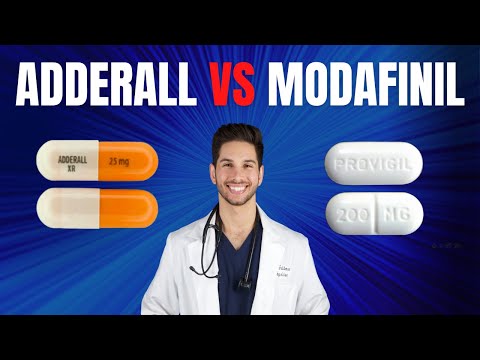
Adderall: enhanced focus, memory, and motivation in ADHD and healthy individuals
Comparative efficacy for cognitive enhancement reveals a clear hierarchy among available interventions. While nootropic supplements like caffeine and L-theanine offer mild, short-term focus boosts, prescription agents such as modafinil demonstrate significantly stronger yet riskier wakefulness-promoting effects. In side-by-side trials, cognitive enhancement through lifestyle modifications consistently outperforms pharmacological shortcuts: regular aerobic exercise and structured mindfulness training produce more durable gains in memory and executive function, with zero adverse side effects. For sustained results, the evidence points away from quick fixes and toward deliberate, daily habits.
Subjective effects on productivity and creativity
Neuroscience labs once tested two compounds side-by-side, pitting a fast-acting cognitive booster against a steady-state long-term enhancer. In the paired maze trials, the rapid compound sharpened recall within minutes, but its effects faded by the fourth hour. The sustained enhancer, however, rewired synaptic density over three weeks, delivering durable gains in working memory and attention. Comparative efficacy studies reveal a critical trade-off: speed versus stability. Researchers concluded that for acute performance, the quick agent prevails; for chronic cognitive support, the steady compound dominates.

Legal Status and Prescribing Considerations
The legal status of medicinal cannabis varies dramatically, requiring meticulous navigation of both federal and state regulations. In jurisdictions where it is permitted, prescribing considerations are complex, as clinicians must differentiate between synthetic cannabinoids like dronabinol and standardized plant-based extracts. The prescribing process demands a thorough assessment of evidence-based indications, such as chronic pain or chemotherapy-induced nausea, while vigilantly monitoring for potential drug interactions and psychoactive effects. Crucially, providers must document a clear clinical rationale for each off-label use to ensure compliance with evolving medical board guidelines. This dynamic landscape, where research often outpaces legislation, makes it essential for practitioners to stay continuously informed, balancing patient access with stringent regulatory safeguards to mitigate liability and optimize therapeutic outcomes.
Provigil: Schedule IV controlled substance (low abuse potential)
The legal status of substances like cannabis or CBD varies significantly by jurisdiction, directly influencing prescribing considerations for healthcare providers. In regions where medical use is permitted, clinicians must navigate specific regulations regarding patient eligibility, product sourcing, and record-keeping. Prescribing considerations must account for federal versus state law conflicts. Key factors include verifying a patient’s qualifying condition, assessing potential drug interactions, and adhering to dosage limits. A practical checklist for prescribers often includes:
- Confirming local licensure and systemic registration requirements.
- Reviewing contraindications related to psychiatric and cardiovascular history.
- Monitoring for side effects like drowsiness or cognitive impairment.
- Ensuring informed consent documentation addresses legal limitations.
Failure to comply with these parameters can lead to professional liability or loss of prescribing privileges.
Adderall: Schedule II controlled substance (high abuse potential)
The legal status of a substance dictates strict prescribing considerations, with schedule classifications directly governing clinical access and authorization. Controlled substance classification determines the level of regulatory oversight, requiring special licenses for prescribers and digital tracking of each script. Clinicians must verify state-specific laws, as telemedicine rules and dosage limits vary widely. Prescribing hinges on a calculated risk-benefit assessment, ensuring a firm medical rationale exists before issuing any restricted medication. Adherence to these frameworks is non-negotiable for safe and lawful practice.
Doctor supervision and monitoring requirements
The legal status of substances like CBD or melatonin varies widely, with hemp-derived CBD (under 0.3% THC) federally legal in the U.S. but subject to state-level restrictions, while melatonin is unregulated as a dietary supplement. Prescribing considerations hinge on drug interactions and contraindications; for example, CBD can inhibit liver enzymes, altering how other medications are metabolized. Doctors typically start low and go slow, especially with vulnerable populations.
Always verify local laws and consult a healthcare professional before adding any supplement or compound to your routine.
Providers also consider patient history, pregnancy status, and existing conditions like liver disease. Key factors include:
- Legality: Check federal vs. state rules for CBD; melatonin is legal OTC.
- Dosage: No standardized dosing for CBD; melatonin typically ranges from 0.5mg to 5mg.
- Monitoring: Watch for sedation, dizziness, or GI issues with first use.
Cost, Insurance Coverage, and Availability
The cost of healthcare can feel like a puzzle, but understanding a few basics helps. **Affordable healthcare coverage** often hinges on your plan type, with premiums, deductibles, and co-pays varying widely. Insurance usually steps in after you meet your deductible, though some services like check-ups may be covered upfront. Availability is also a big factor; in-network doctors and specialists are generally cheaper, while out-of-network care can get pricey fast. Many plans offer tools to estimate costs, so checking those can save you surprises. For medications, formularies list what’s covered, and generics are a budget-friendly choice. Overall, comparing options during open enrollment or through a marketplace can help you find a balance between monthly payments and out-of-pocket costs, ensuring you get the care you need without breaking the bank.
Provigil: higher cost, limited generic availability
The cost of therapy varies widely, with private sessions ranging from $100 to $250 per hour in many regions. Finding affordable mental health care often hinges on insurance coverage, as in-network providers typically reduce your out-of-pocket expense to a copay ($20–$60). However, many therapists operate out-of-network, requiring you to pay upfront and submit a superbill for partial reimbursement. Availability is equally critical; even with good coverage, average wait times for a new provider can stretch from 2 to 8 weeks—longer for specialists. To expedite access, consider telehealth platforms, which often have shorter waitlists and lower per-session rates without insurance, or check your insurer’s directory for “open to new patients” filters.
Adderall: generally lower cost, widely available generic
Cost and insurance coverage for weight loss procedures vary significantly by provider and region. Bariatric surgery cost estimates typically range from $15,000 to $30,000, though many insurers now cover these operations if medical necessity criteria—such as a BMI over 40 or obesity-related comorbidities—are met. Availability can be limited, with some centers imposing long wait times due to high demand.
Before scheduling any procedure, always verify your specific policy’s exclusions and pre-authorization requirements directly with your insurer.
Common coverage barriers include mandatory six-month dietary counseling or failed weight loss attempts. Insurance coverage for weight loss surgery often excludes newer technologies like gastric balloons or endoscopic sleeve gastroplasty, which may cost $6,000–$12,000 out-of-pocket. Geographic availability also matters: bariatric programs are concentrated in urban surgical centers, while rural patients may need to travel for accredited facilities.
Insurance formulary restrictions and prior authorizations
The financial landscape of advanced medical treatments demands careful navigation of cost, insurance coverage, and availability. Out-of-pocket expenses can vary significantly, often influenced by geographic location and facility tier. Insurance providers frequently impose step-therapy protocols, requiring patients to fail on cheaper alternatives before covering premium options. To clarify typical scenarios:
- Cost: Procedures range from $5,000 to over $50,000, with uninsured patients facing full retail rates.
- Coverage: Verify in-network status and pre-authorization requirements; many plans exclude experimental therapies.
- Availability: Specialized centers may have waiting lists of 6–12 months, particularly for rare-disease interventions.
Patients should compare insurance plan formularies annually during open enrollment, as drug tiers and co-pay structures shift. Some states now mandate price transparency tools, but expert review of your individual policy’s exclusions remains critical to avoiding surprise bills.